JEROM PANNIER · 12 October 2026
The West Algarve and the Costa Vicentina are gravel country because a protected coast, five different landscapes within a day of Lagos, and a riding season from February to June and September to November come together; our measured Lagos gravel week is 364 km and 4,850 m over five days.
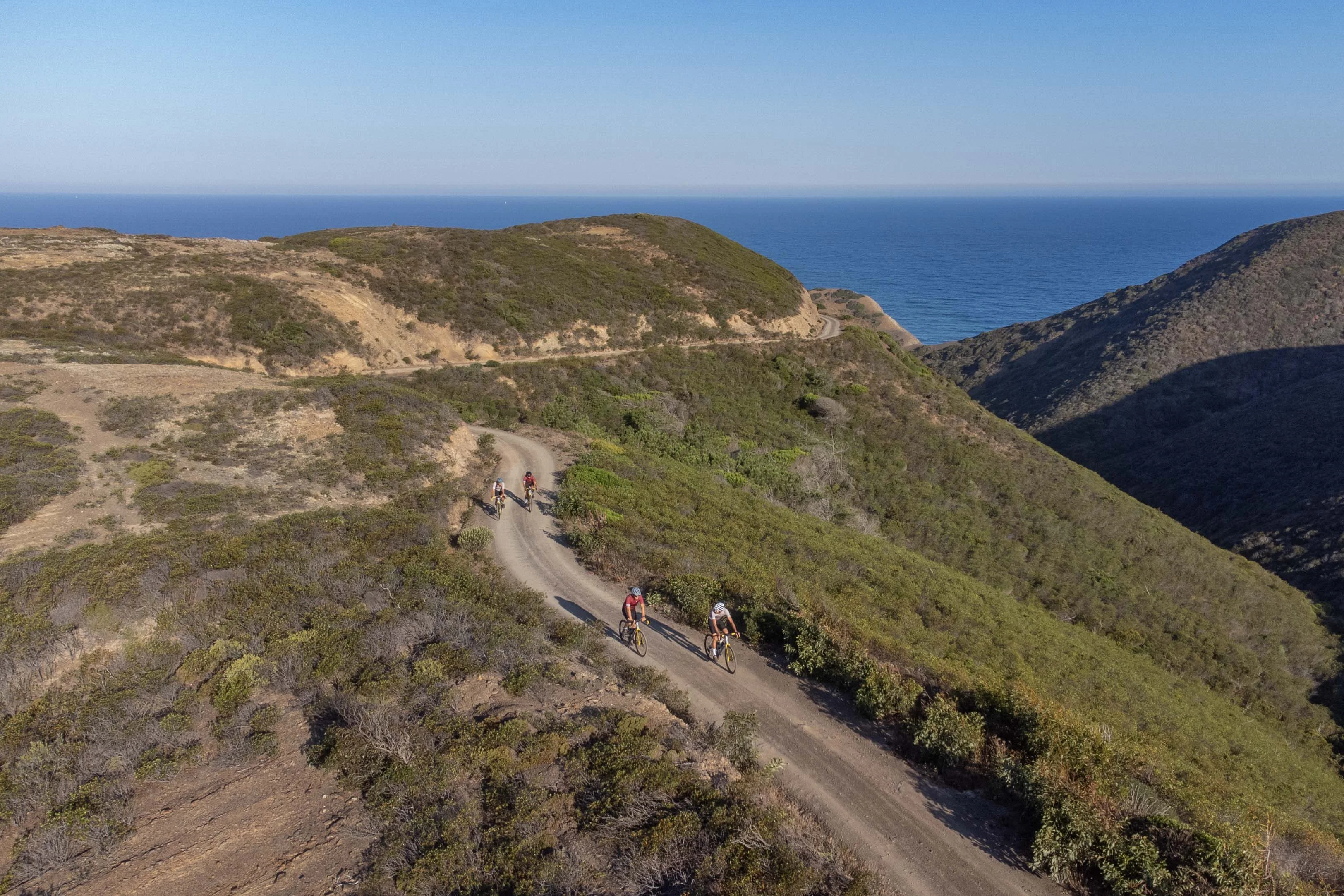
In 2022 Epic Road Rides asked Jerom for his favourite ride near Lagos. He did not give them a road. He gave them forty kilometres of sand and cliff track through the natural park to two beaches you cannot drive to, and he said this:
“The Algarve is the place to come for gravel riding and this is one of the best rides there is.”
Epic Road Rides, November 2022
About the beach at Barriga:
“It's quite a special thing to find a huge beach that's not accessible by car and untouched by a beach restaurant.”
Epic Road Rides, November 2022
And about the whole thing: a ride for people who love splendid isolation.
That ride is still there. Nothing has been built. The warning he gave then also stands: between Salema and Raposeira there is almost nowhere to refuel, so you carry what you need.
Why this is gravel country
Three things come together here and almost nowhere else in Europe.
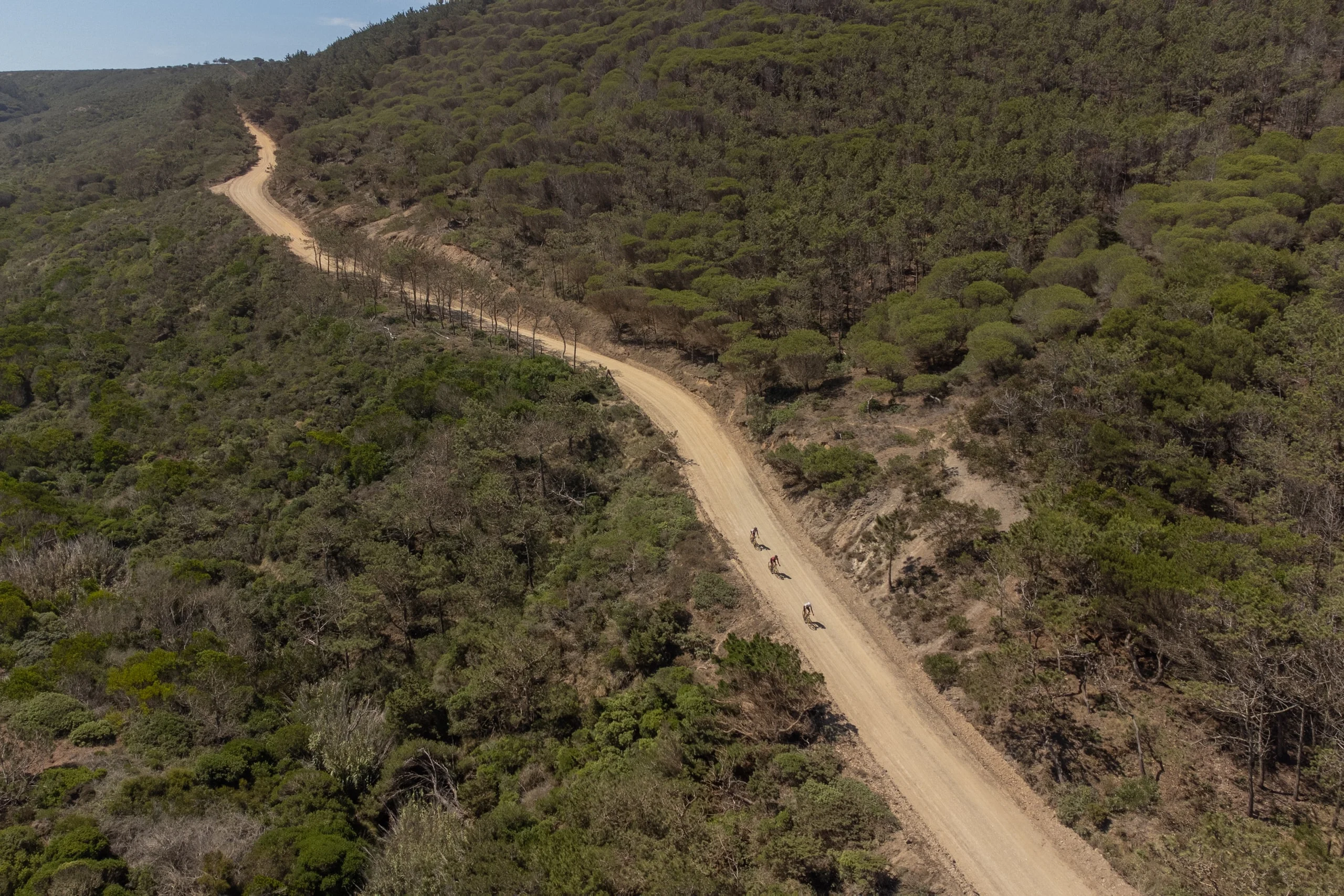
A protected coast. Most of the West Algarve and the Costa Vicentina sits inside the Parque Natural do Sudoeste Alentejano e Costa Vicentina. No new roads, no new resorts. The track network of farm roads, forestry roads and old coastal paths has barely changed in decades.
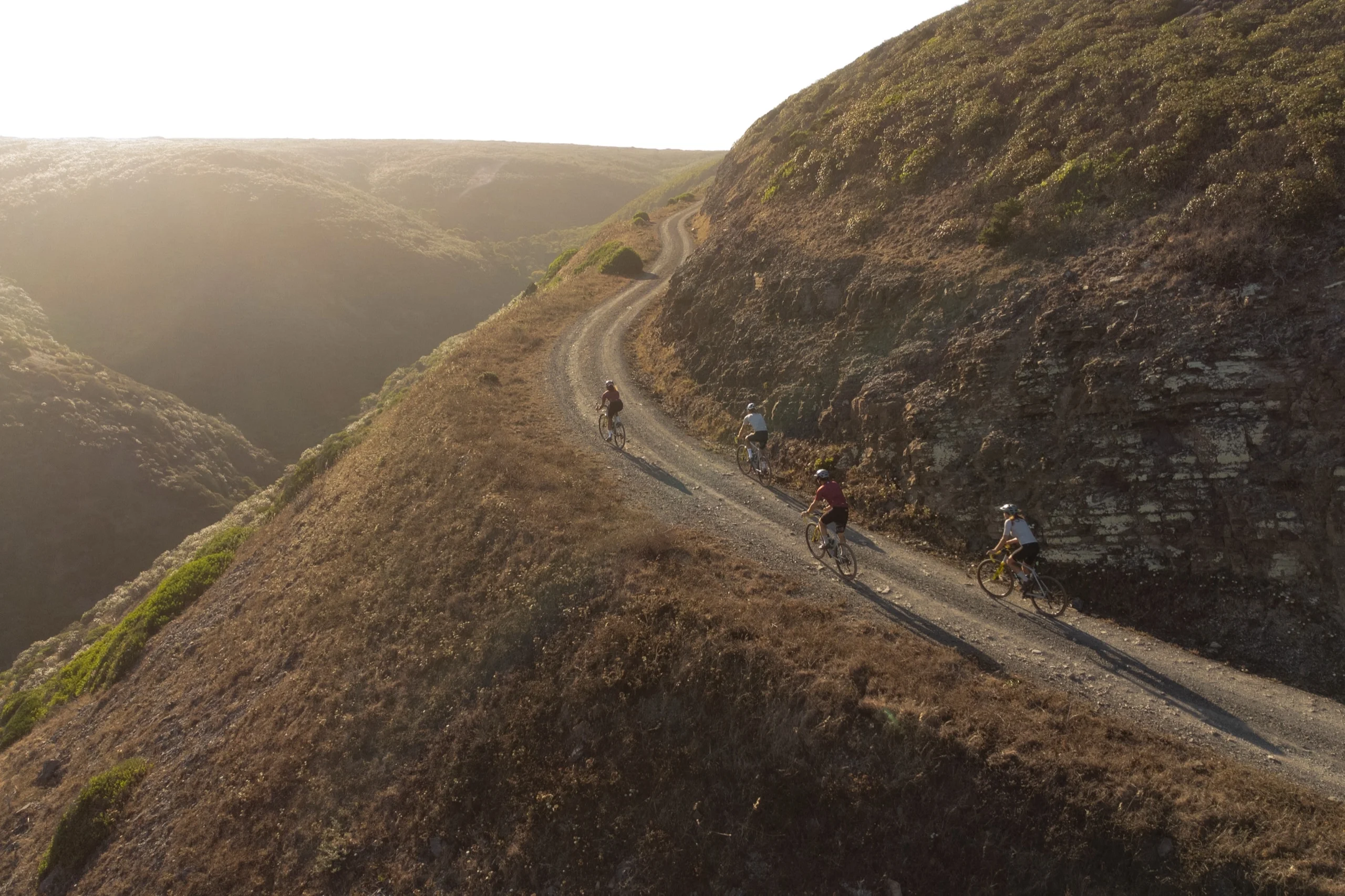
Variety in a small space. From one hotel in Lagos you ride west to Cabo de São Vicente on sand and rock, north over the hills to Aljezur on clay and forest track, inland to the Bravura reservoir, up to Fóia at 900 metres, and east to Silves through the orange groves. Five days, five different landscapes, and you unpack once.
Weather that works. February to June and September to November are riding months. The nortada blows from the north and north-west off a cold ocean, so the coast rarely overheats, and on The Wild West, which runs north to south, it is mostly at your back.
What we have measured
Since that interview we have ridden and recorded the Lagos gravel week properly.
| DAY | WHERE | DISTANCE | CLIMBING |
|---|---|---|---|
| 1 | West to the end of the world | 88.6 km | 990 m |
| 2 | Over the hills to Aljezur | 68.5 km | 860 m |
| 3 | The reservoir and the racetrack | 62.7 km | 760 m |
| 4 | Fóia | 77 km | 1,390 m |
| 5 | East to Silves | 67.2 km | 850 m |
364 kilometres and 4,850 metres of climbing. The Wild West, hotel to hotel from the cork oaks to Sagres, is another 243 kilometres and 5,412 metres over four riding days.
The honest part
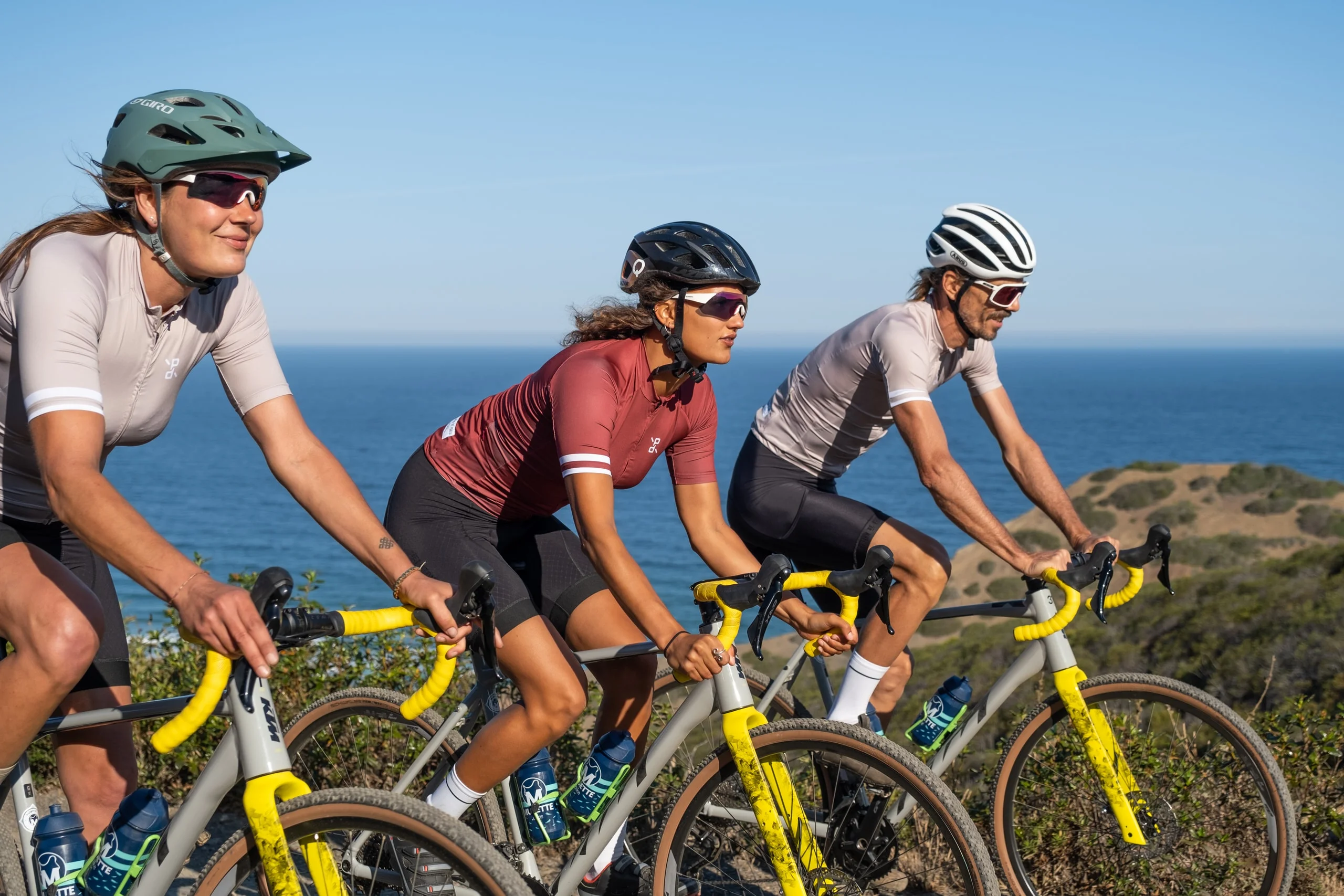
Gravel here is not a soft version of road riding. The sand near the cape tests your handling, Fóia is a proper climb, and the sun after eleven is real. Our guests ride a KTM Gravelator or an e-gravel, and the e-gravel is not a consolation prize. It is how a mixed group rides the same route and arrives at the same table.
If you want the ride Jerom described in 2022, it is day 1 of the Lagos Base Camp week, more or less. The beach is still empty.
Questions riders ask
Is the Algarve good for gravel riding?
Yes. A protected coast with a track network that has barely changed in decades, five different landscapes within a day of Lagos, and a riding season from February to June and September to November.
How hard is the Lagos gravel week?
364 kilometres and 4,850 metres of climbing over five days, with Fóia as a proper climb and sand near the cape that tests your handling. It is not a soft version of road riding.
Do I need a gravel bike or can I use an e-bike?
Our guests ride a KTM Gravelator or an e-gravel, and the e-gravel is not a consolation prize. It is how a mixed group rides the same route and arrives at the same table.
Your own group? Plan your trip.