JEROM PANNIER · 12 October 2026
Medronho is a clear spirit of 45 to 50 per cent distilled from the fruit of the strawberry tree, made by small producers in the Serra de Monchique between October and December; it is the local drink on the Fóia and Monchique rides and is served after dinner, not before a descent.
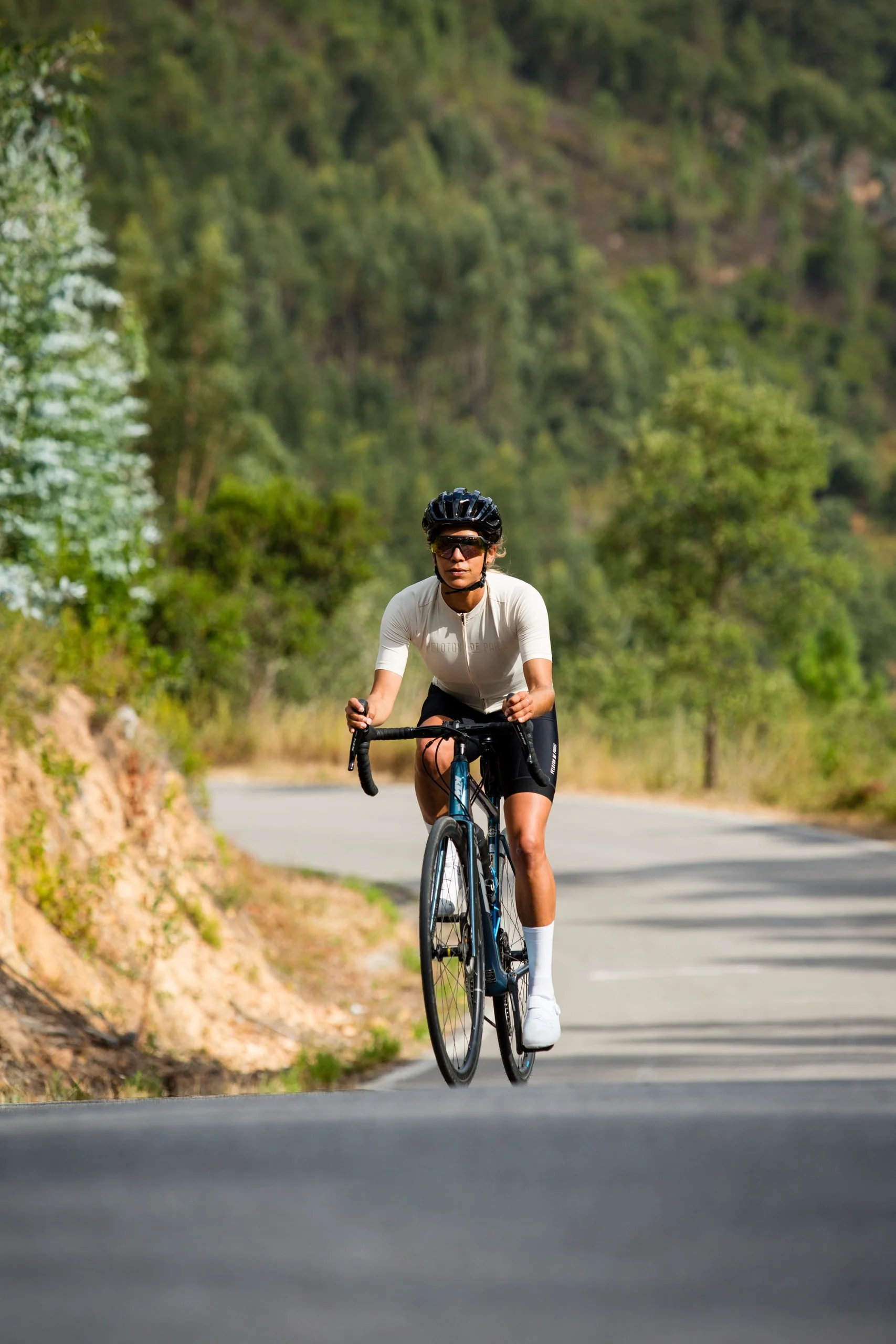
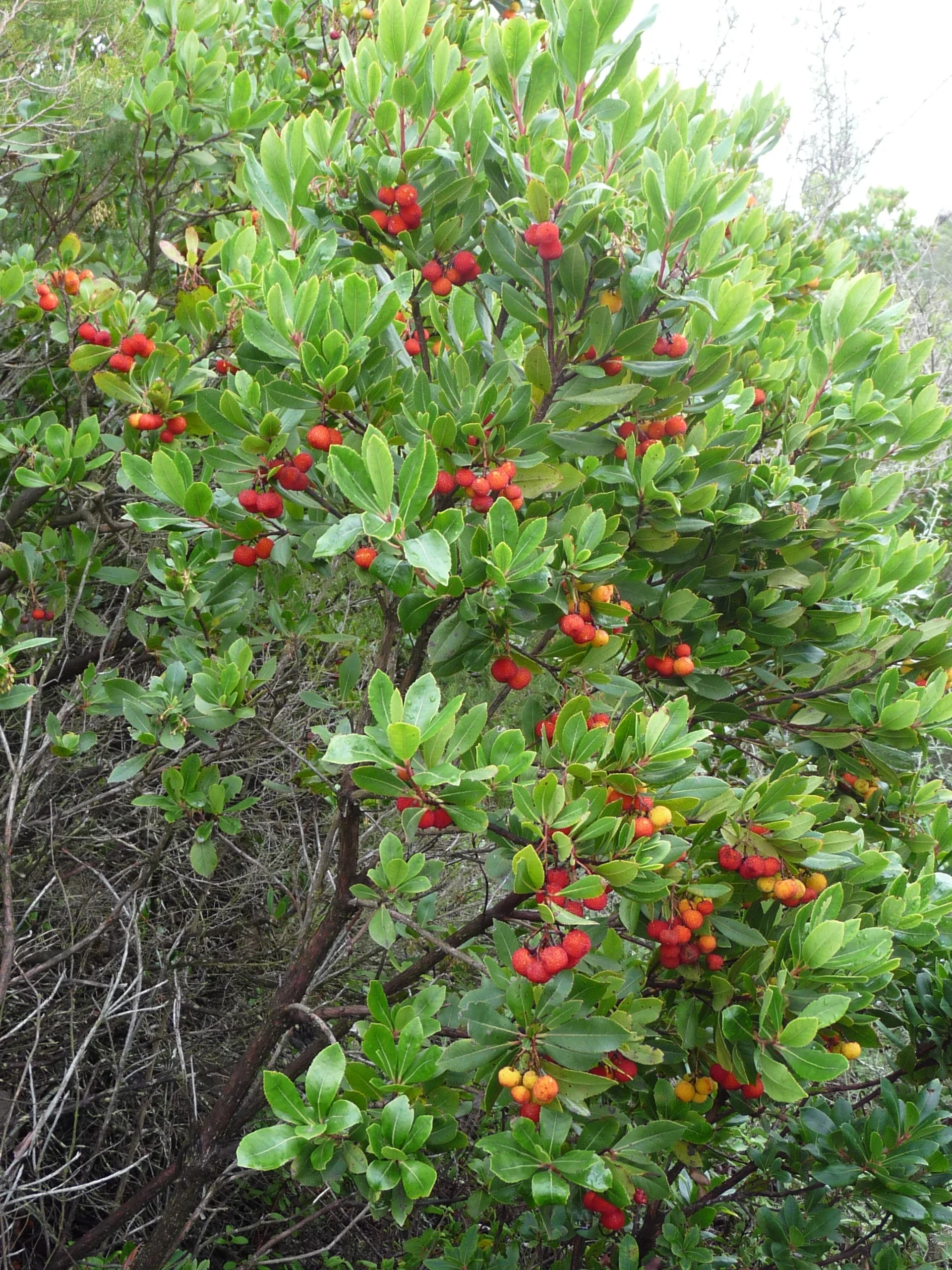
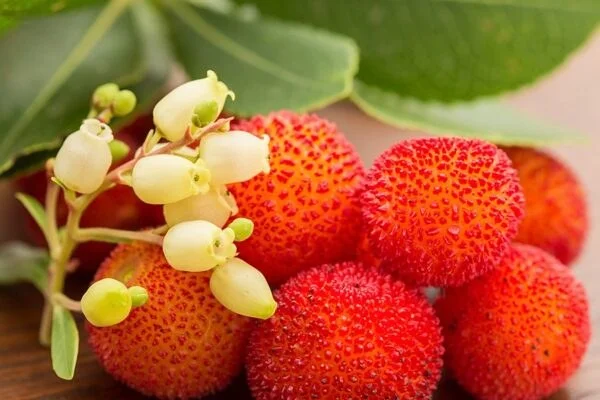
Ride up the north side of Fóia in late autumn and you pass a shrub you have probably never looked at twice. Dark leaves, a rough red trunk, and on the same branch, at the same time, white bell-shaped flowers and round red fruit the size of a cherry. That is the medronheiro, the strawberry tree, and the Serra de Monchique is full of it.
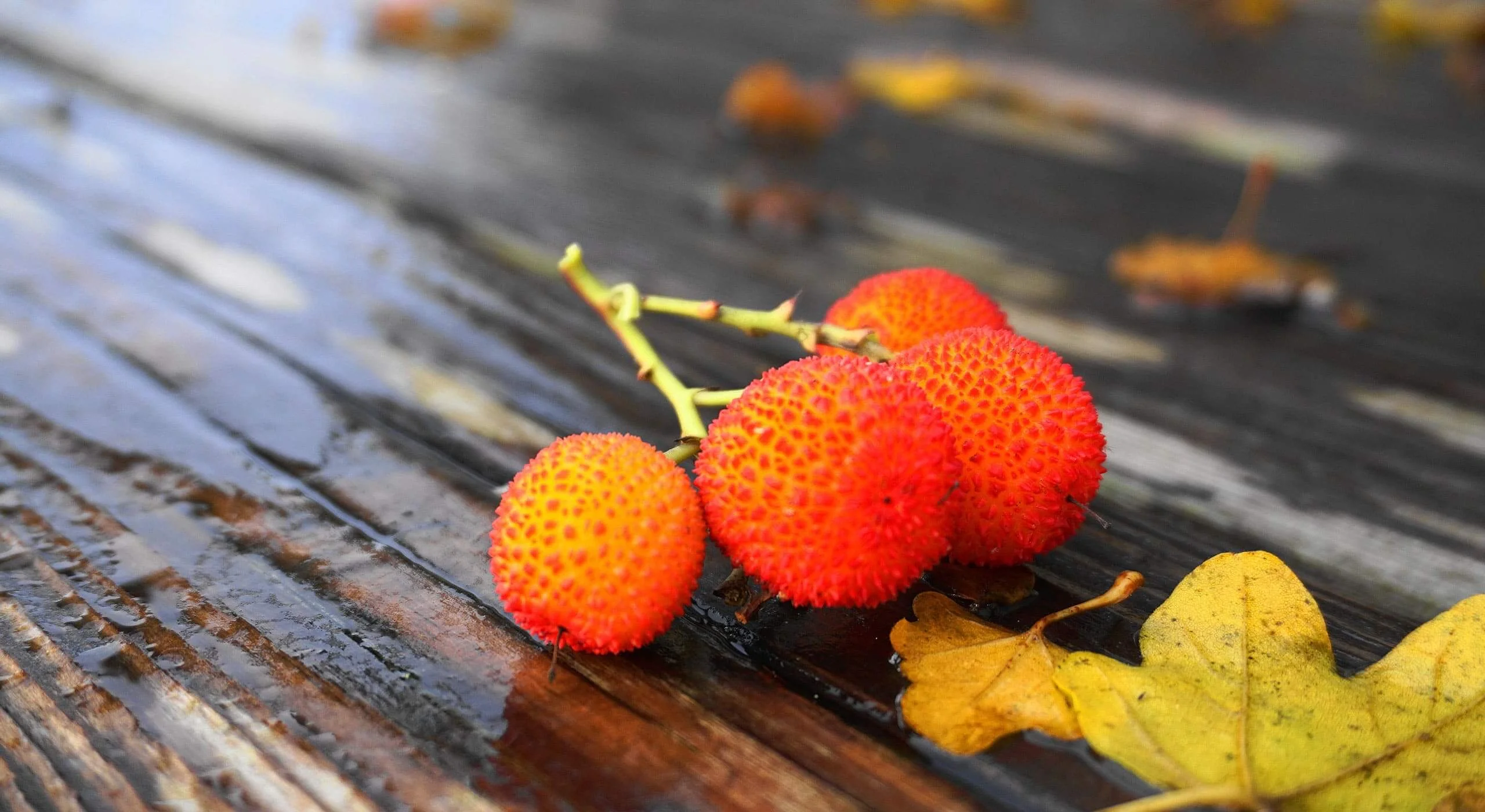
The fruit looks like a strawberry that has been left in the sun. It is sweet, slightly grainy, and most people eat one and stop. The Portuguese name for it is also the name of what they make from it: medronho.
How it is made in Monchique
The fruit is picked by hand between October and December, in the hills, often by the same families who have done it for generations. It ferments for weeks in large vats, then goes through a copper still, slowly, usually in winter. What comes out is a clear spirit of around 45 to 50 per cent, and it tastes of the hill it came from: a little smoke, a little honey, a long dry finish.
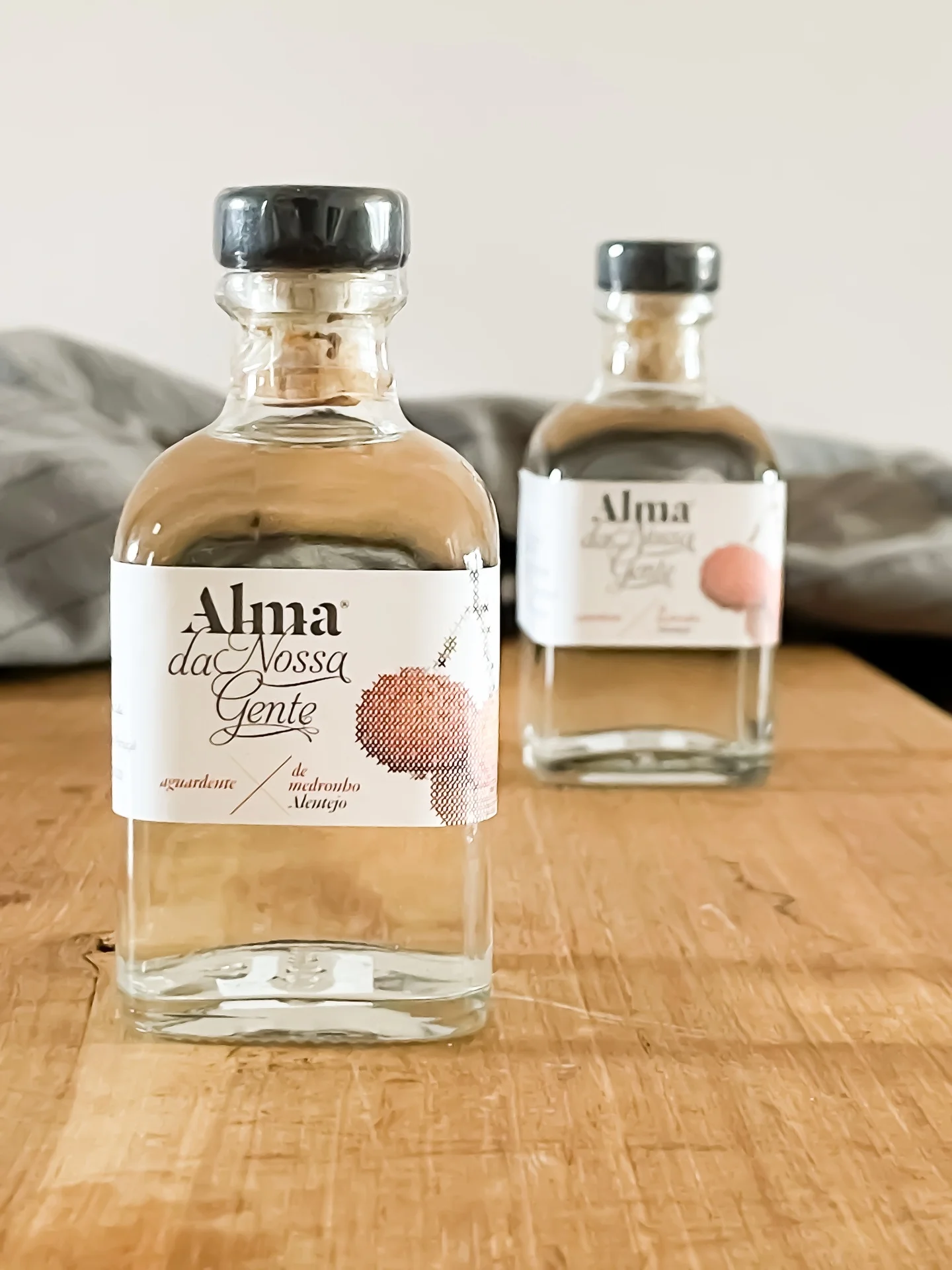
A good medronho is not harsh. If it burns, it was made in a hurry. The small producers around Monchique and Marmelete will tell you exactly which slope the fruit came from, and they will pour it in a glass that fits in your palm.
There are two ways you will meet it. On its own, after dinner, at room temperature. Or with honey stirred in, which the locals call melosa and which is the version to try first if you are not a spirits drinker.
Why it belongs on a cycling week
Because it is the drink of the roads we ride. The climb to Fóia, the descent through Marmelete to Aljezur, the back lanes above Monchique: this is medronho country. The stills are in the villages you pass. On Lagos Base Camp we ride the Fóia day with lunch in Monchique on the way down, and if you ask, there will be a glass.
It is not included in the trip price. Wine and drinks never are, because we would rather you choose what to open. But we know where the good ones are made.
A note for the careful rider
Medronho is strong, and a long descent on a road bike after two glasses is a bad idea. Have it in the evening, at the hotel, when the bike is in the van. The hills will still be there tomorrow.
More on Monchique and the serra at Visit Algarve.
Questions riders ask
Can I try medronho on a Musette trip?
Yes. On Lagos Base Camp the Fóia day comes down through Monchique, and if you ask, there will be a glass at the table after the ride.
What does medronho taste like?
A good one tastes of the hill it came from: a little smoke, a little honey, a long dry finish. If it burns, it was made in a hurry.
Is medronho included in the trip price?
No. Wine and drinks never are, because we would rather you choose what to open.
Your own group? Plan your trip.